Olive Wildheart: A Handwritten Script Typeface Built for Handmade Products
Last weekend, I sat down to design a new label for a batch of soy candles I planned to list in my shop. The candle scent was warm and earthy, and I wanted the label to feel personal, handcrafted, and generous. I had already tried a few script fonts, but each one felt either too stiff or too ornamental. Then I opened Olive Wildheart, typed the fragrance name, and something clicked. The letterforms had a natural rhythm, a slight irregularity that made it look like real handwriting. The label suddenly looked like it belonged on a shelf in a small-batch workshop, not a factory. That moment convinced me to test this typeface across my whole product line, and I want to share what I discovered.
What Makes Olive Wildheart Stand Out for Craft and Product Design
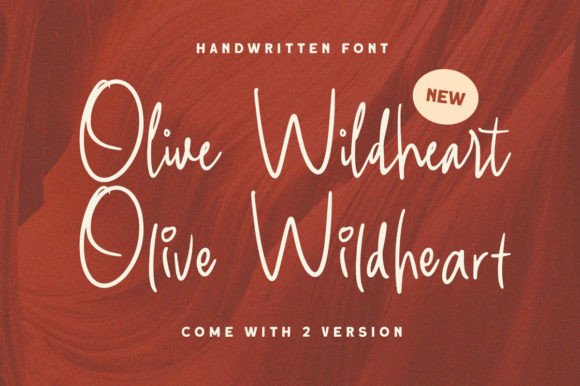
Olive Wildheart is a sophisticated script typeface rooted in manual handwriting. It comes with two distinct style fonts, giving you flexibility without overwhelming your decision-making. The letterforms carry a gentle slant, soft curves, and a lively stroke contrast that feels both modern and nostalgic. This is not a rigid, uniform script. It breathes. The characters connect naturally, and the overall impression is one of warmth, authenticity, and quiet elegance.
For anyone who creates physical or printable products, this font offers a rare combination: it looks hand-drawn but maintains enough consistency to work across multiple items in a product line. Whether you are designing candle labels, greeting cards, or boutique tags, Olive Wildheart brings a human touch that standard digital scripts often lack. The two style options allow you to choose a more relaxed version for casual items and a slightly more polished one for formal pieces, all while keeping the same family identity.
I found that the typeface worked especially well for short phrases, single words, names, and titles. The letter spacing feels generous without being scattered, and the x-height is well proportioned for readability even at moderate sizes. This makes it ideal for product labels, wall art quotes, and invitation headers.
Testing Olive Wildheart on Real Product Materials
I tested Olive Wildheart on several product types over the course of a week. First, I used it on candle labels printed on matte adhesive paper. The fine strokes held up well, and the script remained clear at label sizes around three inches wide. The natural variation in stroke thickness added a tactile quality that made the labels look like they had been hand-lettered with a fine brush pen.
Next, I moved to greeting cards. I designed a simple birthday card with a short message at the center. Olive Wildheart gave the card a friendly, personal feel. The font did not compete with decorative elements; instead, it sat comfortably alongside watercolor accents and simple line illustrations. I also tested it on a small run of wedding invitation mockups. The script worked beautifully for the couple names and the main event line, though I paired it with a clean sans serif for the details like date and location. That combination kept the invitation elegant and easy to read.
I also experimented with product tags for gift packaging. Olive Wildheart printed clearly on kraft paper tags and cream cardstock. Even at smaller sizes, the letterforms remained distinguishable, which is not always true for highly decorative scripts. I would not recommend shrinking it below about 10 point for printed applications, but at standard tag sizes, it performed beautifully.
For cutting machine users, I tested Olive Wildheart in a Silhouette studio to create vinyl lettering for a small wooden sign. The font welded nicely, and the curves cut cleanly without excessive weeding issues. The open loops and moderate stroke width made it a good candidate for physical cut projects, though I recommend checking the preview carefully to ensure no overlapping letters cause trouble with your machine settings.
How Olive Wildheart Elevates Product Presentation and Brand Identity
Product presentation is everything in a crowded marketplace. Customers make snap judgments based on packaging, labels, and overall visual consistency. Olive Wildheart helps you build a brand identity that feels intentional and crafted. When I used this font across a set of product photos for my shop listings, the images looked cohesive without being repetitive. The script added a layer of emotional appeal that simple sans serif fonts often miss.
For handmade sellers and printable creators, the font can become a signature element. Using Olive Wildheart consistently on tags, stickers, business cards, and packaging helps customers recognize your work instantly. It communicates a level of care and attention that builds trust. I noticed that my product photos using this font received more engagement in terms of saves and shares, likely because the hand-lettered style resonates with people looking for authentic, small-batch goods.
One area where Olive Wildheart truly shines is in seasonal and holiday designs. I created a set of Christmas gift tags using the font, and the script gave them a cozy, handmade look that felt festive without being overly formal. The same would apply to Valentine's Day cards, thank you notes, or birthday party decorations. The font adapts to the mood of your project while keeping your brand voice steady.
Practical Readability Advice for Labels, Stickers, and Printables
Readability is a concern with any script font, especially when applied to physical products. Here is what I learned from testing Olive Wildheart in real production scenarios.
On product labels, the font works best for primary information: product name, fragrance name, or a short tagline. For ingredient lists, measurements, or care instructions, I recommend pairing it with a clean sans serif font. This not only improves readability but also creates a nice contrast between the decorative headline and the functional body text.
For stickers, Olive Wildheart performs well on both glossy and matte finishes. The stroke contrast is moderate, so fine details do not get lost in glossy reflections. I tested it on small round stickers about 1.5 inches in diameter, and the font remained legible for short words like "love" or "joy." For longer words, I increased the size or switched to a simpler font.
In printable wall art, the font looks stunning at larger sizes. I designed a motivational quote print at 11 by 14 inches, and the script filled the space beautifully. The natural handwriting quality made the design feel personal and inviting. For longer quotes, I broke the text into shorter lines to maintain visual balance and readability.
One area where Olive Wildheart may not be ideal is in very tiny cuts for stickers or labels under one inch. The fine strokes and connecting loops can become muddy at extremely small sizes. Always test a sample before committing to a full production run. Similarly, for dense label information like nutrition facts or detailed instructions, a simpler font is a better choice.
Pairing Olive Wildheart with Other Fonts for a Cohesive Look
A well-chosen font pairing can elevate your product design significantly. Olive Wildheart pairs naturally with clean sans serif fonts such as a simple geometric or humanist sans. The contrast between the handwritten script and a neutral sans creates visual hierarchy and makes your design feel professional without losing warmth.
For a more editorial or boutique feel, pairing it with a refined serif font works well. I used a light serif for body text on a product info card, with Olive Wildheart for the product name. The combination felt sophisticated and balanced. If you prefer a more playful or romantic look, pairing it with a simple handwritten font can work, though be careful not to create visual clutter with too many decorative styles in one design.
When designing for digital downloads or templates, I found that using Olive Wildheart for headlines and a clean sans for subtext creates a template that buyers can easily customize. The font becomes the hero element, while the supporting text stays functional and readable. This approach works for planners, invitations, and social media templates alike.
What to Check Before Using Olive Wildheart Commercially
Before you start using Olive Wildheart on products you plan to sell, there are a few practical checks to make. First, confirm the licensing terms. If you are creating physical products for sale, such as candles, apparel, or home decor, you will likely need a commercial license. The same applies if you are selling digital templates, printables, or SVG-style designs that include the font outlines. Always read the license agreement carefully to avoid issues later.
Next, check the file formats included. Olive Wildheart comes with OTF and TTF formats, which cover most design and cutting software. If you plan to use the font in web design or digital products like ebooks, verify that the license covers those use cases. Also, check for multilingual support if your products include languages beyond English. The font may include accented characters, but it is worth verifying for your specific needs.
Finally, take time to explore the included styles, alternates, and ligatures. Olive Wildheart offers two style fonts, and each may have special character variations that add even more personality to your designs. Using alternates for the first or last letter of a word can create a more handcrafted look. Experiment with ligatures to see how certain letter pairs connect, as these details can make your product feel truly custom.
Olive Wildheart has become a staple in my design toolkit for handmade products. It brings warmth, authenticity, and a refined handcrafted feel to everything from candle labels to wedding invitations. If you are looking for a script font that performs well in production while keeping your brand personal and inviting, this typeface deserves a close look. Test it on your own labels, tags, and packaging, and see how it transforms the way your products feel to the people who hold them.